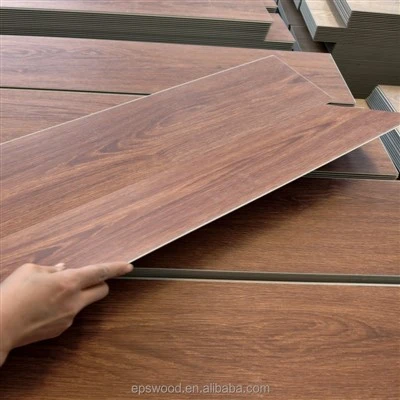
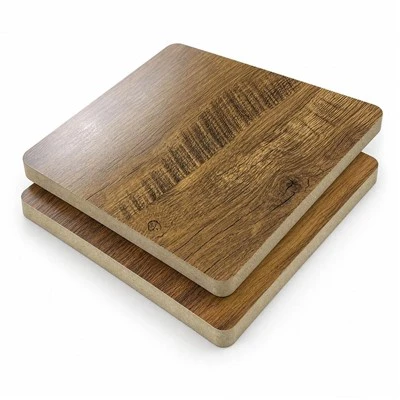
When renovating interior and exterior walls, most people struggle with material selection: wallpaper is prone to mildew and peeling, latex paint has a single texture, ceramic tiles are heavy and difficult to construct, and solid wood panels are expensive and cannot adapt to curved structures. In recent years, flexible wall panels have gradually replaced traditional wall finishes and become the favorite of homeowners and designers. To help you make a more scientific renovation decision, this blog will compare flexible wall panels with 4 mainstream traditional wall materials in terms of flexibility, installation, durability, cost, and scenario adaptability, helping you pick the most suitable wall decoration solution.
Comparison 1: Flexible Wall Panels vs Wallpaper
Wallpaper Pain Points: Low durability, easy to bubble, peel, and mildew in humid environments; poor wear resistance, easy to scratch and damage; unable to fit curved walls, prone to wrinkling and gaps; requires professional pasting and is difficult for DIY operation.
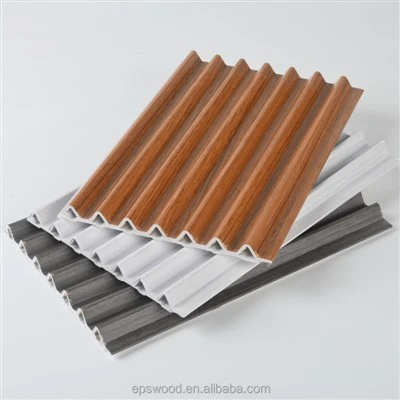
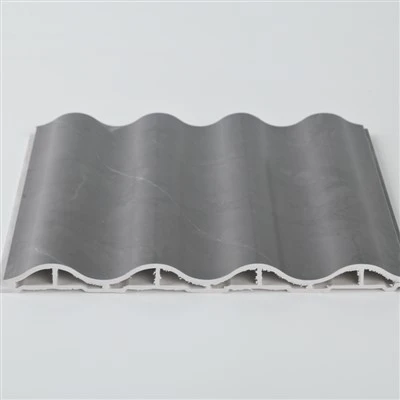
Advantages of Flexible Wall Panels: Waterproof and mildew-proof, suitable for humid spaces; wear-resistant and scratch-resistant, long service life; flexible and bendable, seamless fitting for curved structures; support DIY installation, removable and reusable. Compared with wallpaper, flexible wall panels have stronger practicability and longer service life, avoiding frequent replacement and secondary renovation costs.
Comparison 2: Flexible Wall Panels vs Latex Paint Walls
Latex Paint Pain Points: Single visual effect, no three-dimensional texture; easy to crack, peel, and stain; poor moisture resistance, prone to wall mildew and hollowing; unable to modify local damage, requiring overall repainting.
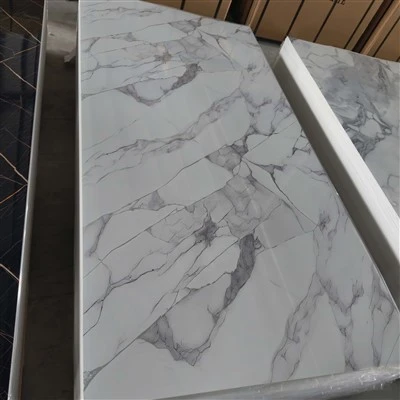
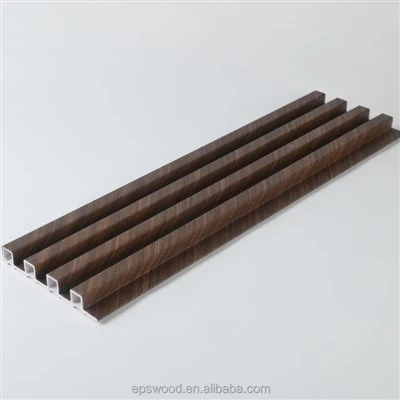
Advantages of Flexible Wall Panels: Rich wood and stone three-dimensional textures, improving space grade; anti-stain and anti-fouling, daily stains can be wiped clean; stable structure, no cracking or hollowing; local replacement is supported, convenient for later maintenance. It perfectly solves the flat, fragile, and difficult-to-maintain problems of latex paint walls.
Comparison 3: Flexible Wall Panels vs Ceramic Tiles
Ceramic Tile Pain Points: Heavy weight, high wall load pressure; rigid and brittle, unable to bend for curved walls, requiring complex cutting and splicing; long construction cycle, high labor cost; splicing gaps are easy to hide dirt and breed bacteria; poor shock resistance, easy to crack.
Advantages of Flexible Wall Panels: Ultra-light and safe, no wall load pressure; excellent flexibility, seamless fitting for all curved structures; simple and fast installation, saving labor and time costs; no splicing dead ends, easy to clean and hygienic; anti-impact and durable, not easy to damage. It is an ideal upgraded substitute for kitchen and bathroom tile decoration.
Comparison 4: Flexible Wall Panels vs Rigid Wood/Stone Panels
Rigid Panel Pain Points: High cost, heavy weight, difficult transportation and handling; hard texture, unable to adapt to special-shaped curved walls, limiting design creativity; high loss rate during cutting and construction; poor moisture resistance, easy to warp and deform in humid environments.
Advantages of Flexible Wall Panels: Lower comprehensive cost while restoring high-end wood and stone texture; lightweight and easy to transport and construct; flexible and customizable, breaking design limitations of rigid materials; moisture-proof and deformation-resistant, stable performance in various environments; low construction loss rate, higher cost performance for engineering projects.
Scenario-Based Selection Guide
Choose Flexible Wall Panels If You Need: Curved wall/column decoration, wet space renovation (kitchen/bathroom/basement), DIY household quick renovation, high-traffic commercial space decoration, long-term durable wall finishing, and personalized custom design.
Choose Traditional Materials Only If: Simple flat wall decoration with low budget, short-term temporary use, and no requirement for texture and structural adaptability.
Conclusion
Traditional wall finishes have obvious limitations in flexibility, durability, maintenance, and scenario adaptability, which can no longer meet the diverse and high-standard decoration needs of modern homes and commercial spaces. Flexible wall panels integrate the advantages of multiple traditional materials while avoiding their inherent defects, featuring seamless curvature, easy installation, waterproof durability, diverse styles, and high cost performance. In 2026 and future renovation trends, flexible wall panels will continue to be the mainstream wall decoration solution for global families and engineering projects.