Traditional wall decoration has long been limited by rigid materials. Solid wood panels, ceramic tiles, and rigid PVC boards deliver stable textures but fail on curved walls, rounded columns, arched doorways, and irregular architectural structures. For homeowners, interior designers, and commercial contractors, flexible wall panels have become the most practical and cost-effective decorative solution to break spatial design limitations. Unlike conventional hard wall cladding, flexible wall panels feature bendable, lightweight, and seamless fitting properties, perfectly adapting to flat and curved wall surfaces while retaining high-end wood and stone textures. This blog comprehensively explains what flexible wall panels are, their core material advantages, key benefits, and the best application scenarios for residential and commercial renovation.
What Are Flexible Wall Panels?
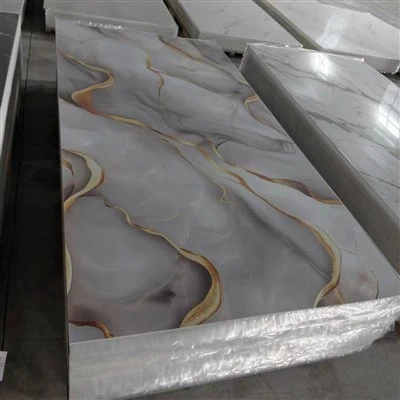
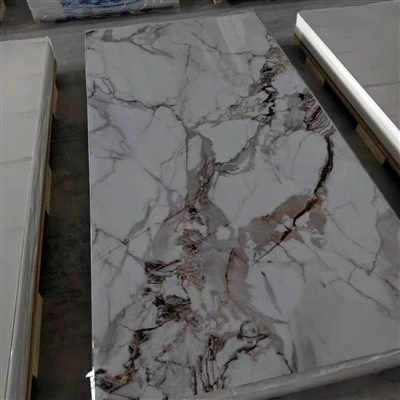
Flexible wall panels are a new type of eco-friendly decorative wall material made of high-toughness composite base materials combined with high-precision surface texture layers. Different from rigid wall panels that are hard and brittle, these panels support free bending within a safe radius without cracking, deforming, or damaging the surface layer. The mainstream styles include flexible wood grain panels, flexible stone grain panels, and solid-color flexible decorative panels, covering mainstream modern interior design styles. As a multi-functional wall finishing material, they integrate decoration, protection, and easy installation, solving multiple pain points of traditional wall renovation.
Core Materials & Structural Advantages
High-quality flexible wall panels adopt multi-layer composite technology: a flexible tensile base layer ensures bending toughness and structural stability, a compact middle layer provides waterproof and moisture-proof performance, and a UV wear-resistant surface layer guarantees scratch resistance, stain resistance, and long-term color fastness. Compared with ordinary wall materials, this structural design enables the panels to adapt to complex indoor environments, avoiding common problems such as mildew, peeling, warping, and fading.
Top 6 Benefits of Flexible Wall Panels
1. Unmatched Curved & Seamless Adaptability The biggest advantage of flexible wall panels is their excellent bending performance. They can closely fit cylindrical columns, arched walls, curved TV backgrounds, corridor arc walls, and special-shaped niches, realizing fully seamless integrated decoration. No splicing gaps, no protruding edges, creating a high-end integrated space effect that rigid panels cannot achieve.
2. Lightweight & Safe Structure Flexible wall panels are ultra-light, only 1/5 the weight of natural stone and 1/3 of traditional wood panels. They do not cause wall load pressure or falling risks, suitable for all types of walls including lightweight partition walls and plaster walls. All materials are eco-friendly with zero formaldehyde, meeting international E0 environmental standards, safe for families, offices, and closed commercial spaces.
3. Waterproof, Mildew-Proof & Easy Maintenance The dense composite structure completely isolates water vapor and moisture erosion. The smooth surface resists water stains, oil stains, and daily dust. No special maintenance is required-just wipe with a damp cloth to clean, ideal for humid kitchens, bathrooms, basements, and high-traffic commercial areas.
4. Simple DIY & Fast Construction No professional tools or complex construction skills are needed. The panels can be freely cut with utility knives and fixed with environment-friendly adhesive. One person can complete installation independently, greatly shortening the renovation cycle and saving high labor costs compared with tile and solid wood decoration.
5. Durable & Long Service Life With anti-UV, anti-aging, and scratch-resistant properties, flexible wall panels resist daily friction, collision, and environmental erosion. The service life can reach 15–20 years, far exceeding latex paint, wallpaper, and ordinary rigid wall panels, reducing long-term renovation and maintenance costs.
6. Diverse Styles & Wide Design Compatibility Support realistic wood grain, marble grain, brick texture, and modern solid color styles, compatible with minimalist, light luxury, industrial, and modern residential and commercial design styles. It can meet personalized decoration needs from household DIY renovation to high-end commercial engineering projects.
Best Use Cases for Flexible Wall Panels
Residential Decoration: Living room curved feature walls, bedroom headboard walls, corridor arc walls, stair wall cladding, balcony curved walls, kitchen and bathroom wet area wall decoration, rental house quick renovation.
Commercial Engineering: Hotel lobby curved walls, office reception background walls, restaurant and café feature walls, shopping mall corridor decorative walls, club high-end curved decoration, public space special-shaped wall cladding.
Final Verdict
Flexible wall panels have become a mainstream alternative to traditional wall decoration materials due to their flexible adaptability, environmental safety, easy installation, and durable performance. Whether for household personalized renovation or large-scale commercial engineering decoration, they can break the structural limitations of walls and create seamless, high-end, and long-lasting decorative effects. If you are looking for cost-effective, high-quality, and design-flexible wall cladding solutions, flexible wall panels are the optimal choice for modern space decoration.