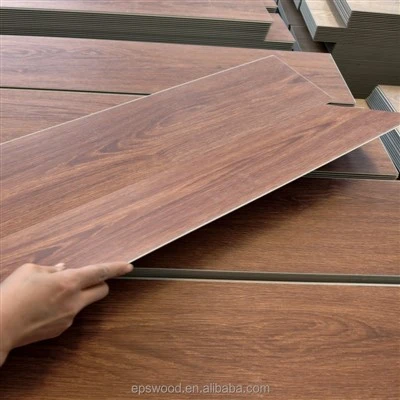
Commercial interior designers and contractors are constantly searching for wall finishing materials that balance aesthetics, installation speed and durability. In 2026, flexible wall panels have rapidly risen in popularity across North America, Europe and Australia, replacing rigid wall boards in many curved-wall renovation projects. Unlike traditional stone, wood or rigid PVC panels, bendable flexible wall coverings can follow curved, arched and irregular wall surfaces without complicated cutting or prefabrication. This article breaks down the core advantages, typical commercial use cases and key selection tips for flexible wall panels.

What Makes Flexible Wall Panels Stand Out From Traditional Wall Materials
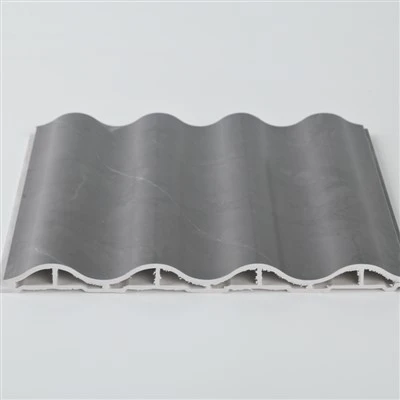
Traditional wall panel options require precise cutting, joint treatment and extra labor when meeting curved architectural designs. Flexible wall panels are engineered with soft yet stable composite substrates. The material can bend smoothly to fit arches, rounded columns and wave-shaped walls while maintaining surface integrity.
Lightweight property reduces wall load bearing requirements
Fast dry installation, no wet cement work
Consistent surface texture, fewer seams on curved surfaces
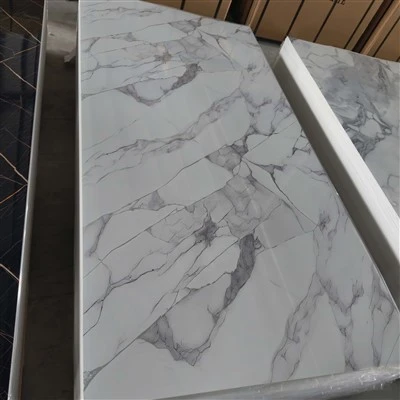
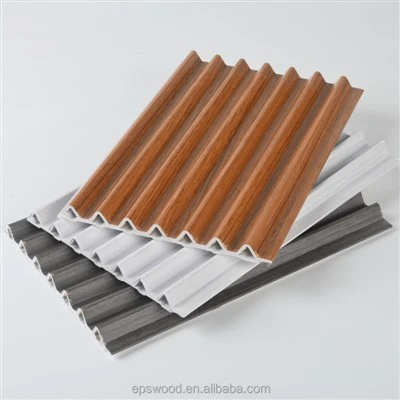
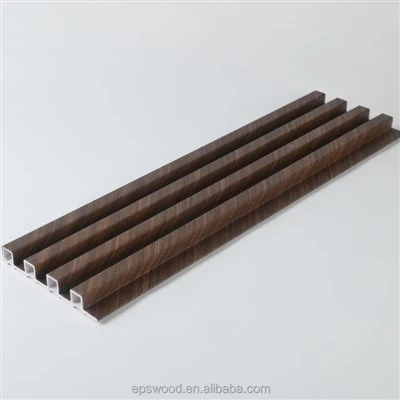
Multiple finish options: matte, wood grain, stone texture, solid color
Main Commercial Projects Suitable For Flexible Wall Panels
Flexible wall panels are widely adopted in mid-to-high end commercial renovation projects, covering multiple mainstream business scenarios:
Retail store interior: curved display background walls, brand feature walls
Hospitality industry: hotel lobby arches, restaurant curved partition walls
Office space: reception curved backdrop, meeting room decorative wall
Exhibition booth: temporary curved wall decoration, reusable wall cladding

Key Points Contractors Need To Check Before Placing Bulk Orders
For B2B buyers such as interior contractors and project wholesalers, several factors determine whether flexible wall panels fit their projects:
Fire rating certificate: confirm local building code compliance
Flexibility range: minimum bend radius of the panel
Water resistance: suitable for humid areas or not
Customization support: custom size, surface pattern and color options

Final Thoughts
As curved and organic architectural designs keep growing in commercial projects, flexible wall panels will keep expanding their market share. If you are sourcing reliable wall decorative materials to create high-end space effects, decorative flexible wall panels for accent walls can meet all your personalized design and engineering construction needs. Check our product collection to view specifications and request samples.