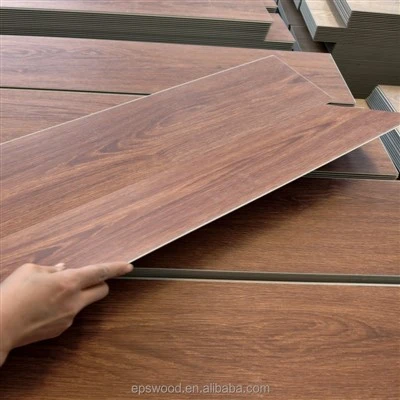
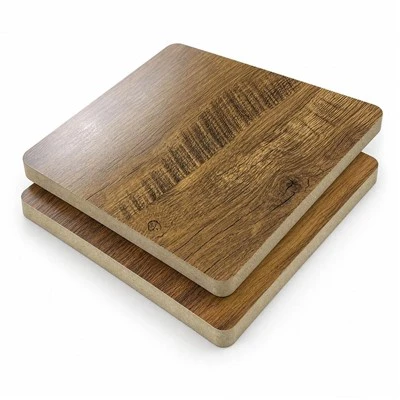
The process of blockboard is very demanding, not only does it require enough space to allow the wood enough time for adaptive natural drying, but also strict drying process control through a drying kiln. In addition, the quality of its processing equipment not only requires a large amount of capital investment, but also the key to ensuring the accuracy and quality of product processing. In particular, after the state enforces the limit of harmful substances in decoration and decoration, the adhesive used for blockboard must be improved, and the cost of this alone will increase by about 10%, coupled with the continuous improvement of raw material prices, so it can be said that it is impossible to manufacture a truly green blockboard of fifty or sixty yuan, and the E1 level core board that meets the national standard is about 90 yuan is already a small profit. If consumers still blindly pursue cheapness to buy cheap and inferior large core boards that seriously endanger human health, it will be difficult for formal manufacturers to survive.
Home decoration can only be done with E1 grade blockboards. If the product is E2 blockboard, even if it is a qualified product, its formaldehyde content may exceed 3 times that of E1 blockboard, so it must not be used for home decoration. Again, it is necessary to purify and seal the blockboard that can not be finished, especially the back plate of decoration, various cabinet panels and heating hoods, etc., experts have studied formaldehyde sealant, formaldehyde sealing wax and aerosol to eliminate and seal formaldehyde, and the best effect is used while decorating. However, if the amount of E1 large core board is too large, it may also cause the overall formaldehyde content in the room to exceed the standard, so even if it meets the standard, it is not necessarily absolutely harmless to the human body.
Generally, the use of blockboards in the room of about 100 square meters should not exceed 20, and other indoor decorations should also be considered, if the use of too much will cause formaldehyde in the indoor environment to exceed the standard. In particular, do not use blockboard as a lining under the floor, so as not to cause serious excess of formaldehyde in the indoor air.