Choosing the right wall material is one of the most impactful decisions in any renovation or new build. With so many options on the market - from traditional drywall to modern synthetic cladding - it can be hard to know which delivers the best balance of looks, performance, and value.
In this head-to-head guide, we compare bamboo wall panels against the four most popular wall cladding alternatives: drywall, solid hardwood panels, PVC wall panels, and WPC (wood-plastic composite). We break down pros, cons, costs, and ideal use cases to help you make an informed decision.
Quick Overview of Each Wall Material
Before diving into the comparison, here's a baseline for each option:
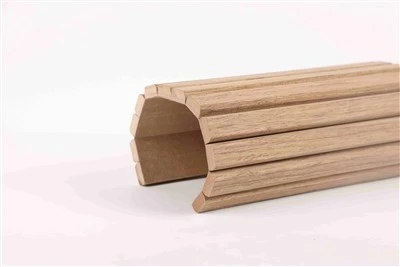
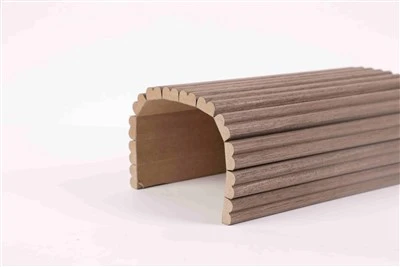
Bamboo wall panels: Engineered panels made from pressed moso bamboo fibers, available in flat sheets, slats, and 3D profiles for interior and exterior use.
Drywall (gypsum board): The standard budget wall material, made of gypsum plaster between paper sheets, finished with joint compound and paint.
Solid wood wall panels: Milled from slow-growing hardwoods like oak, cedar, or pine, offering a premium natural wood look.
PVC wall panels: 100% plastic vinyl panels, lightweight and fully waterproof, commonly used in wet areas.
WPC wall cladding: A blend of wood fibers and plastic resin, marketed as a low-maintenance outdoor and indoor option.
Head-to-Head Comparison: Bamboo vs. the Alternatives
1. Bamboo Wall Panels vs. Drywall
Drywall is the most common interior wall material, but how does it stack up against bamboo?
| Factor | Bamboo Wall Panels | Drywall |
|---|---|---|
| Installation speed | Fast - click or glue directly onto flat walls, no finishing required | Slow - requires hanging, mudding, sanding, priming, and painting |
| Durability | High - scratch and impact-resistant; resists dents and scuffs | Low - dents, chips, and stains easily; requires frequent touch-ups |
| Eco-friendliness | Excellent - renewable material, low VOC, carbon-negative sourcing | Moderate - gypsum is abundant, but production is energy-intensive |
| Design flexibility | High - natural texture, multiple finishes, 3D options | Limited - only flat painted surface; relies on paint for color |
| Cost (installed) | Mid-range premium | Budget-friendly upfront |
Best for drywall: Large full-wall coverage on a tight budget, where a plain painted finish is acceptable. Best for bamboo: Accent walls, high-traffic areas, and projects where you want a premium natural finish without extended renovation timelines. Unlike drywall, bamboo wall panels add texture and warmth the moment they're installed.

2. Bamboo Wall Panels vs. Solid Hardwood Wall Panels
Both are natural wood-based materials, but they have very different environmental and cost profiles.
Bamboo wall panels grow 20–30 times faster than traditional hardwoods, making them a far more sustainable choice. A bamboo forest regenerates after harvesting without replanting, while hardwood forests take decades to recover.
In terms of performance, bamboo is naturally harder than many softwoods and most mid-tier hardwoods, meaning it resists dents and scratches just as well - or better. The biggest difference comes down to cost and consistency:
Solid hardwood panels carry a luxury price tag and natural grain variation.
Bamboo panels offer uniform grain and consistent coloring at a 30–50% lower cost.
Best for solid wood: High-end luxury projects where budget is not a constraint and specific hardwood grain is a design requirement. Best for bamboo: Sustainable luxury projects, commercial spaces, and homeowners who want natural wood beauty with a smaller environmental footprint and lower long-term maintenance.
3. Bamboo Wall Panels vs. PVC Wall Panels
PVC is known for being cheap and waterproof, but it comes with notable trade-offs.
While 100% waterproof, PVC wall panels are made entirely from plastic, which releases VOCs and has a large carbon footprint. They also have a distinctly synthetic look and feel that many homeowners find cheap or sterile.
Waterproof carbonized bamboo wall panels, by contrast, deliver reliable moisture resistance for most indoor wet areas using natural carbonization technology - no plastic required. They bring the warmth of real wood to bathrooms and kitchens, without the cold, artificial appearance of PVC.
Best for PVC: Extremely high-moisture commercial spaces (like public shower rooms) where cost is the top priority and aesthetics are secondary. Best for bamboo: Residential bathrooms, kitchen backsplashes, and spa areas where you want water resistance and a natural, high-end look.
4. Bamboo Wall Panels vs. WPC Wall Cladding
WPC (wood-plastic composite) is a popular outdoor cladding option, but how does it compare to outdoor bamboo panels?
WPC is low-maintenance and fade-resistant, but it can look plasticky and tends to expand and contract significantly with temperature changes. It also cannot be refinished - once scratched or damaged, it must be replaced.
Outdoor bamboo wall panels are treated with deep carbonization and UV-stabilized coatings to withstand sun, rain, and temperature swings. They have an authentic wood grain that ages gracefully, developing a beautiful silver patina over time if left unsealed. They can also be sanded and refinished, extending their service life well beyond most WPC products.
Best for WPC: Fully exposed outdoor areas where zero maintenance is the primary goal, and a plastic-like appearance is acceptable. Best for bamboo: Exterior facades, patio walls, and garden features where natural aesthetics, sustainability, and long-term durability matter most.
When to Choose Bamboo Wall Panels (And When Not To)
Choose bamboo wall panels if:
You want a natural, warm aesthetic without the cost of solid hardwood
Sustainability and low indoor emissions are top priorities
You need a fast installation with minimal renovation downtime
You want a durable, low-maintenance finish for high-traffic rooms
You're looking for an eco-friendly alternative to PVC or WPC for wet and outdoor areas
Consider other materials if:
You're working with an extremely tight budget and only need plain painted walls
You need fully submerged waterproofing for constant water exposure
You require a specific hardwood species for historic restoration projects
Pro Tips for Maximizing Your Bamboo Wall Panel Investment
Match the grade to the space: Use standard indoor panels for living areas and waterproof carbonized panels for bathrooms.
Invest in professional installation for large projects: Proper alignment and sealing ensure the longest lifespan.
Clean gently: Use a soft cloth and mild detergent; avoid harsh chemicals that can damage the finish.
Re-seal outdoor panels every 2–3 years: A fresh coat of UV sealant preserves color and water resistance.
Final Verdict
For most residential and light commercial interior projects, bamboo wall panels offer the best all-around combination of beauty, sustainability, durability, and value. They outperform drywall on longevity and aesthetics, beat solid wood on price and eco-impact, and deliver a far more premium look than PVC or WPC.
If you're ready to upgrade your space with high-quality bamboo wall cladding, explore our full product line or reach out for expert guidance on selecting the right panels for your specific project needs.
Phone:+8615165515059
Email:hfplywood@163.com
Adress:Room A1110, Zhongyang Shidai Plaza, Nanfag District, Linyi, Shandong, China