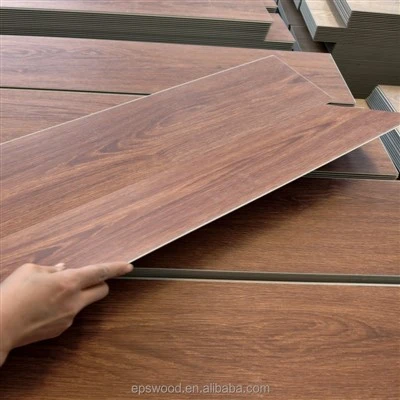
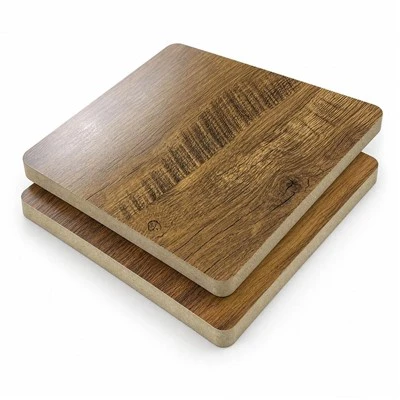
When renovating ceilings, PVC ceiling panels and gypsum board are two mainstream choices. Many buyers are confused about which one to pick. This article compares both materials in key dimensions to help you make the right decision.
Waterproof & Moisture‑Resistant Performance
PVC ceiling panels: Zero water absorption, fully moisture‑proof, anti‑mold. Perfect for bathrooms and kitchens, no deformation under steam.
Gypsum board: High water absorption. It swells, peels and molds when damp. Only fit dry spaces; extra waterproof coating adds extra cost.
Installation & Labor Cost
PVC ceiling panels: Lightweight, snap‑on interlocking design. No putty or painting after installation. DIY is available for small projects, cutting labor expense.
Gypsum board: Requires professional workers. After fixing, putty, sanding and painting are needed. Long construction cycle with high labor cost.

Maintenance & Service Life
PVC ceiling panels: Smooth surface, easy to clean with damp cloth. High‑quality virgin‑PVC panels serve 15‑20 years with almost zero maintenance.
Gypsum board: Easy to scratch and crack. Needs regular repainting; deteriorates fast in humid environment.
Design & Cost
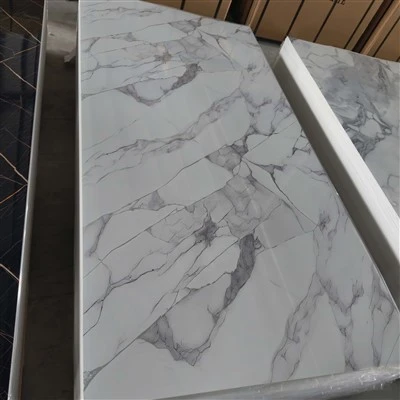
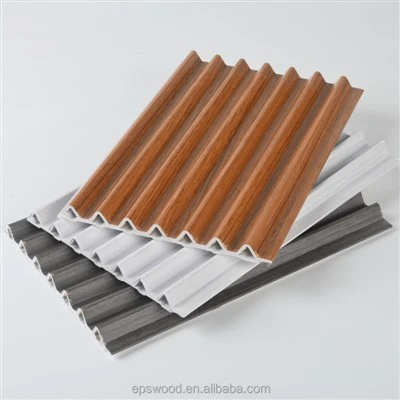
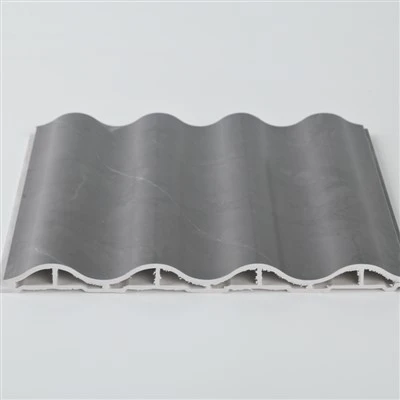
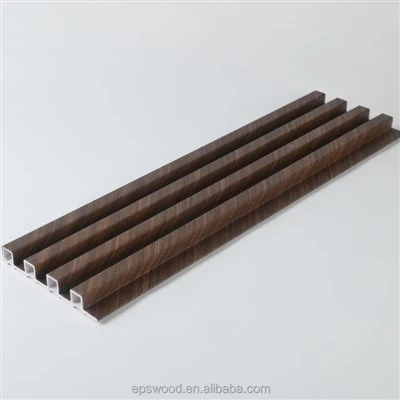
Design: PVC ceiling panels have rich wood‑grain, marble and custom patterns. Gypsum board supports complex curved shapes.
Cost: PVC has moderate material cost, but lower total cost thanks to low labor and maintenance. Gypsum board is cheap in material but high in later‑stage cost.
Quick Selection Guide
✅ Choose PVC ceiling panels if you have humid areas, want fast installation and low‑maintenance solution. ✅ Choose Gypsum board if you need complex curved ceiling shapes in fully dry spaces.
Conclusion
There is no universal best material. For humid areas and cost‑effective renovation, PVC ceiling panels are highly recommended.
👉 High‑quality virgin‑resin panels save your long‑term maintenance cost. Waterproof PVC Ceiling Panelis highly recommended for wet‑area renovation.