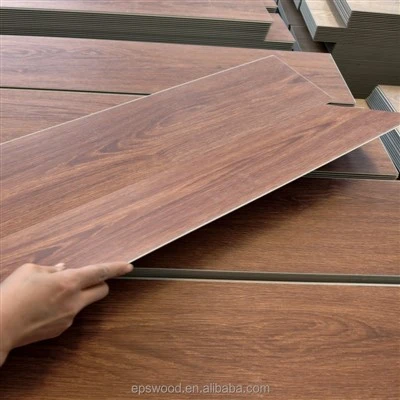
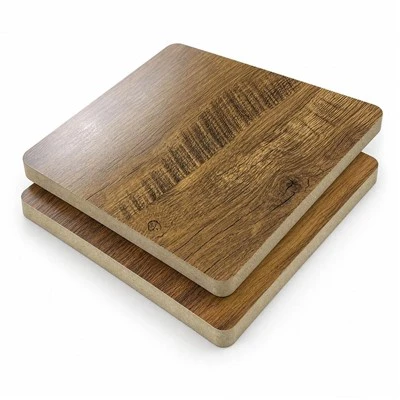
When people talk about the application of wood in architecture, they often think of lightweight frames or interior decorations. However, engineering grade birch plywood, which has been upgraded in technology, is breaking this understanding and opening up a new Xintiandi in a broader engineering field with its amazing strength weight ratio and predictable structural performance.
The transition from "sheet metal" to "engineering materials"
The production of modern birch plywood has been highly standardized and performance oriented. By using 100% birch core and high-performance phenolic resin adhesive (WBP), its bending strength, stiffness, and weather resistance have reached new heights. This enables it to be accurately calculated and designed by engineers, and applied in scenarios such as building templates, container floors, RV enclosures, and logistics pallets that require high durability and reliability. Its reusable nature also conforms to the principles of circular economy.


The natural partner of green building system
In today's trend of prefabricated and modular construction, birch plywood is an excellent choice for making wall panels, roof panels, and flat floor slabs. It is easy to pre cut and slot in the factory, and can be quickly assembled on site to reduce construction waste. As a bio based material, it has excellent thermal insulation performance and carbon storage function, which can help building projects obtain green building certification points such as LEED and BREEAM. Combined with technologies such as CLT (cross laminated timber), it can even play an important role in multi-layer timber structures.
Innovative applications of surface technology
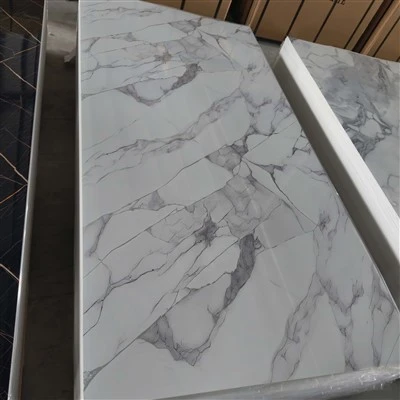
Technological progress is not limited to internal factors. Through high-pressure lamination (HPL), natural wood veneer or special coating treatment, birch plywood substrate can be endowed with various surface functions such as marble pattern, metallic texture, high wear resistance and anti-static. This means that a single panel can simultaneously meet the dual needs of structural support and final decorative surface, achieving material integration and simplification, providing an "integrated solution" for architects and interior designers.
Looking ahead to the future, the evolution of birch plywood will closely revolve around "stronger, lighter, smarter, and more environmentally friendly". As industry participants, we will continue to invest in research and development, committed to pushing this versatile material to the forefront of more professional applications, and working with partners to build a more efficient and sustainable built environment.