Introduction
Many marine and outdoor construction projects face hidden risks: plywood delamination after seawater soaking, board warping in coastal salt fog, and short service life leading to repeated maintenance. Most of these problems stem from incorrect marine plywood selection or unqualified low-grade materials. BS1088 marine plywood is the globally recognized standard for water-resistant structural wood panels, widely used in boat building, coastal infrastructure, and outdoor engineering. This blog breaks down 7 core selection factors to help contractors, wholesalers, and project owners pick cost-effective, long-lasting marine plywood and avoid costly project losses.
1. Verify Authentic BS1088 Certification
Not all waterproof plywood is marine-grade plywood. Ordinary exterior plywood only resists surface rainwater and cannot withstand long-term water immersion and high humidity. Qualified marine plywood must comply with strict BS1088 international standards, with complete test reports and batch qualification certificates. Standard BS1088 marine plywood adopts professional WBP (Weather & Boil Proof) phenolic glue, passing 72-hour boiling water resistance tests without glue failure or layer separation. When purchasing, avoid fake marine plywood marked with ordinary waterproof labels to prevent structural safety hazards in marine projects.
2. Check Void-Free Hardwood Core Structure
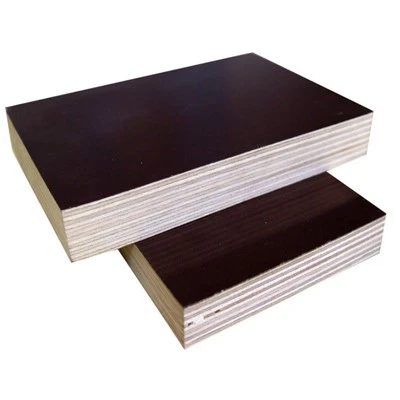
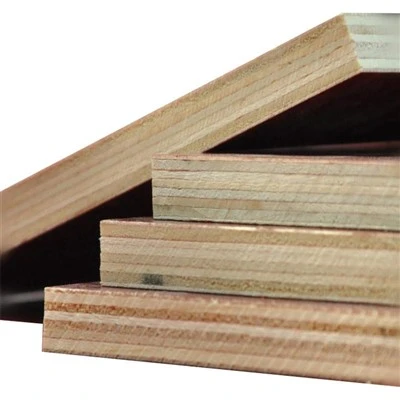
Internal voids are the biggest hidden danger of plywood damage. High-quality marine plywood features a 100% void-free hardwood core with uniform and dense veneer layers. No internal gaps ensure consistent load-bearing capacity, stable structural tension, and effective resistance to deformation and cracking under humid environments and external pressure. Inferior marine plywood contains hollow cores, which easily absorb moisture, breed mildew, and cause local collapse after long-term use, greatly shortening the service life of boats and outdoor buildings.
3. Match Surface Grade with Usage Scenarios
Marine plywood is divided into A/A premium grade and BB/CC standard grade, with completely different applicable scenarios. A/A double-sided flawless veneer is suitable for high-end yacht interiors, visible decorative surfaces, and luxury outdoor facilities, featuring smooth polishing, uniform wood grain, and no blemishes, supporting direct painting and finishing. BB/CC grade is more cost-effective, ideal for hidden structural parts, dock engineering, container lining, and wholesale bulk projects. Reasonable grade matching can effectively reduce procurement costs while meeting project performance requirements.
4. Focus on Waterproof Glue Grade
Adhesive quality determines the waterproof lifespan of marine plywood. Formaldehyde-based ordinary glue will fail and delaminate after encountering water and salt fog, while qualified marine plywood uses industrial WBP phenolic waterproof glue. This high-performance glue forms a stable waterproof layer between veneers, resisting seawater erosion, high-temperature humidity, and long-term outdoor weathering. It is the core guarantee for long-term stable use of marine plywood in coastal and marine environments.
5. Select Thickness According to Project Load
Marine plywood has complete thickness specifications from 4mm to 25mm. Thin plates (4–9mm) are suitable for decorative linings and auxiliary structures; medium plates (12–18mm) apply to boat floors, outdoor platforms, and carriage panels; thickened plates (20–25mm) are used for heavy-duty offshore engineering and load-bearing structural parts. Blindly pursuing thick plates causes cost waste, while overly thin plates lead to insufficient load-bearing capacity. Matching thickness according to project load standards is the key to balanced performance and cost.
6. Prioritize Anti-Corrosion & Weather Resistance for Coastal Projects
Coastal and offshore environments feature high salt fog, strong ultraviolet rays, and alternating wet and dry conditions, which easily corrode ordinary wood panels. For seaside docks, offshore platforms, and tidal zone projects, it is necessary to select heavy-duty anti-corrosion marine plywood with professional anti-UV and anti-salt-fog treatment. This type of plywood effectively resists mildew, insect infestation, and aging, with a service life 30% longer than ordinary marine-grade boards, reducing later maintenance and replacement costs.
7. Confirm Environmental Protection & Batch Stability
High-quality marine plywood adopts E0/E1 low-formaldehyde environmental protection standards, with no pungent odor, safe for closed spaces such as yacht cabins and indoor waterproof decoration. For bulk engineering and wholesale orders, batch stability is crucial. Reliable manufacturers ensure consistent wood grain, thickness tolerance, and performance of each batch of products, avoiding construction delays and quality problems caused by inconsistent product quality.
Conclusion
Excellent marine plywood is not only waterproof but also integrates standard compliance, structural stability, scenario adaptability, and long-term durability. By focusing on BS1088 certification, void-free core, reasonable grade matching, and professional performance parameters, you can completely avoid project quality risks. Our factory provides full-series marine plywood including standard, premium, lightweight, heavy-duty anti-corrosion, and cost-effective models, supporting customized processing and global bulk wholesale, to meet all marine and outdoor waterproof project needs.