For most woodworking enthusiasts, construction contractors, and B2B wood buyers, the biggest confusion when purchasing plywood is distinguishing Baltic birch plywood from ordinary commercial plywood. Many low-cost mixed-wood plywoods on the market look similar on the surface but differ drastically in internal structure, load-bearing capacity, and service life. Understanding their core differences is critical to avoiding wasted budget and project quality risks. This detailed comparison guide will help you make the right purchasing decision.
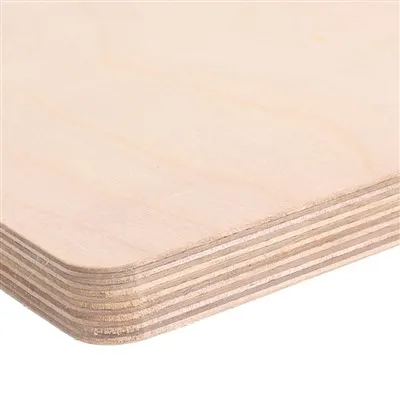
The first and most essential difference lies in core material and internal structure. Premium Baltic birch plywood uses 100% pure northern birch rotary-cut veneers for every single layer, with no mixed softwood, poplar, or spliced veneers. The entire panel features a completely void-free, gap-free, and overlap-free internal structure, with uniform thickness and tight bonding for each layer. In contrast, regular plywood usually mixes multiple low-cost wood species, with spliced short veneers, hidden hollow gaps, and uneven core density. These invisible internal defects lead to poor load-bearing capacity and easy layer separation.
Second, there is a huge gap in density and mechanical performance. The standard density of Baltic birch plywood reaches 700–720kg/m³, with excellent compression resistance, bending resistance, and screw-holding strength. It can withstand long-term heavy loads and frequent mechanical processing without deformation or damage, making it suitable for high-precision machining, industrial load-bearing structures, and reusable construction formwork. Regular plywood has a low and unstable density, which is prone to indentation, screw loosening, and board cracking under slight pressure or repeated processing, only suitable for simple temporary decoration.
Third, they differ greatly in surface quality and finishing effect. Baltic birch plywood has a smooth, blemish-free surface with uniform fine grain, no large knots or color differences. It supports high-precision sanding, staining, and painting, with no sand-through phenomenon, and can be directly used as exposed decorative and furniture surfaces. Regular plywood has a rough surface, uneven grain, and frequent knot holes, requiring thick putty and multiple layers of primer to cover defects, greatly increasing processing time and costs, and failing to meet high-end aesthetic requirements.
Fourth, the service life and application scenarios are completely different. With stable cross-laminated structure and high-pressure environmental adhesive, Baltic birch plywood is resistant to moisture, temperature changes, and mechanical wear, with a service life more than twice that of ordinary plywood. It covers high-end scenarios including premium furniture customization, interior decoration, industrial load-bearing structures, and reusable construction formwork. Regular plywood is only suitable for temporary construction, simple packaging, and low-budget short-term decoration projects.
In short, if your project is for long-term use, high-end decoration, industrial load-bearing, or export-grade product manufacturing, Baltic birch plywood is the only cost-effective choice. If you only need temporary and disposable wood materials, ordinary plywood can meet basic needs.
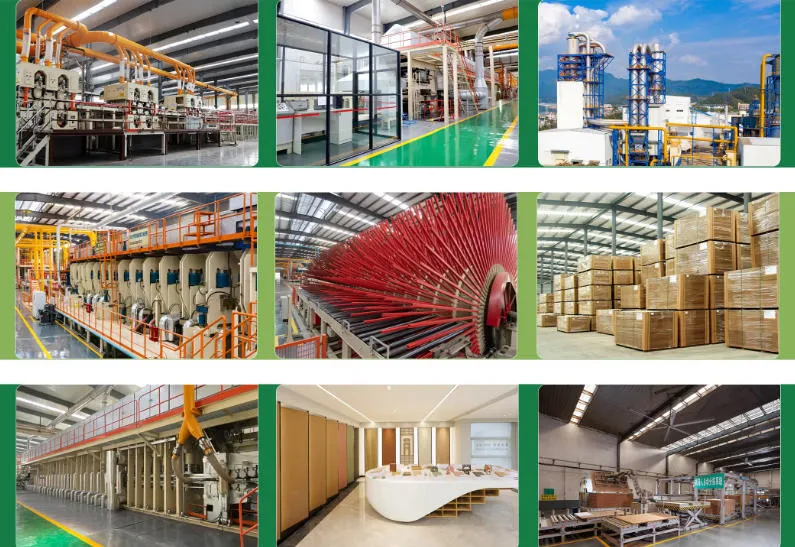
As a professional birch plywood factory, we provide premium void-free Baltic birch plywood, furniture-grade birch panels, industrial-grade load-bearing plywood, and FSC-certified eco-friendly plywood. We support customized sizes, multi-layer specifications, and global bulk wholesale, with strict quality inspection to ensure every panel meets international standards. Contact us now to get the latest factory wholesale price and project customization solution.
Company website: www.dreamplywoodpanels.com
Phone:+861516515059
Email: hfplywood@163.com
Welcome to contact us!