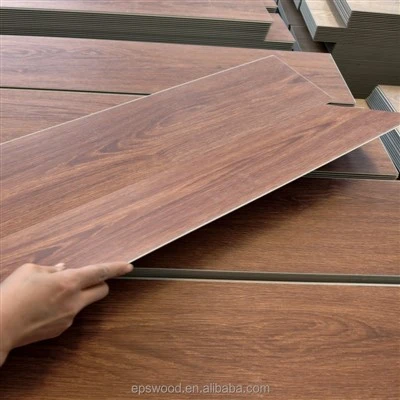
As global environmental protection regulations become increasingly stringent and market demand continues to upgrade, the luxury vinyl tile (LVT flooring) industry ushered in new development trends in 2026, with green sustainability and personalized customization becoming the core competitiveness of the industry. While maintaining steady market growth, major LVT manufacturers are accelerating product iteration and technological upgrading to adapt to the differentiated needs of global residential and commercial markets.
Green and environmentally friendly production has become the primary development direction of the LVT industry. European and North American markets have raised stricter requirements for indoor flooring VOC emissions and phthalate content, pushing manufacturers to fully adopt eco-friendly raw materials and circular production processes. At present, high-quality commercial and residential LVT flooring on the market has achieved zero formaldehyde, low VOC, and phthalate-free, fully complying with international environmental protection standards. Certified green LVT products have become the preferred choice for high-end commercial projects such as medical institutions, educational campuses, and star hotels, and are also the key to winning the competitive advantage for global flooring suppliers.
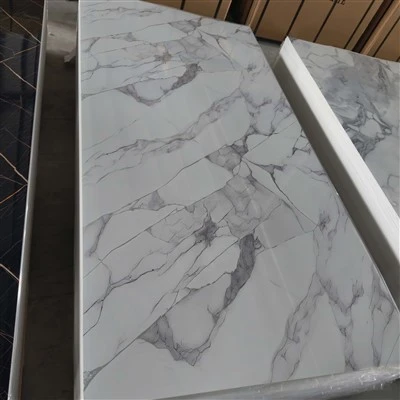
Customized design and diversified product segmentation are another major trend sweeping the global LVT market. In the past, LVT flooring was limited to conventional wood grain and stone grain styles. Nowadays, with the popularization of digital printing technology, manufacturers can provide personalized customization services including exclusive patterns, color matching, and size specifications according to customer needs. From minimalist modern style and light luxury style to high-end business style, customized LVT flooring can perfectly match various interior design solutions, meeting the personalized decoration needs of high-end residential and customized commercial spaces.
In terms of market segmentation, commercial-grade LVT flooring shows strong growth potential. Different from household click-lock LVT, glue-down and dry-back LVT flooring features more stable laying performance and higher wear resistance, which is suitable for large-area and high-frequency use scenarios such as shopping malls, office buildings, exhibition halls, and beauty salons. Data shows that North America occupies 40.4% of the global LVT market share, and Europe and the Middle East markets continue to grow steadily, with commercial engineering orders becoming the main growth pillar of bulk LVT sales.
In terms of regional markets, the Asia-Pacific region remains the core production base of global LVT flooring, contributing about 45% of the global production capacity, while North America and Europe are the core consumer markets. With the recovery of global real estate and construction industry and the rise of cross-border bulk trade, the LVT flooring industry will maintain a high growth rate in the next five years. Industry forecasts show that the global LVT market will maintain a double-digit growth rate, and environmentally friendly, customized, and high-performance segmented products will become the mainstream of the market.
For global flooring importers, distributors, and engineering contractors, grasping the 2026 LVT industry trends and selecting compliant, customizable, and high-quality LVT products will help them seize more market opportunities in the increasingly competitive global flooring market.
Key Keywords: 2026 LVT flooring trends, sustainable luxury vinyl tile, custom LVT flooring, commercial grade LVT, global LVT market