

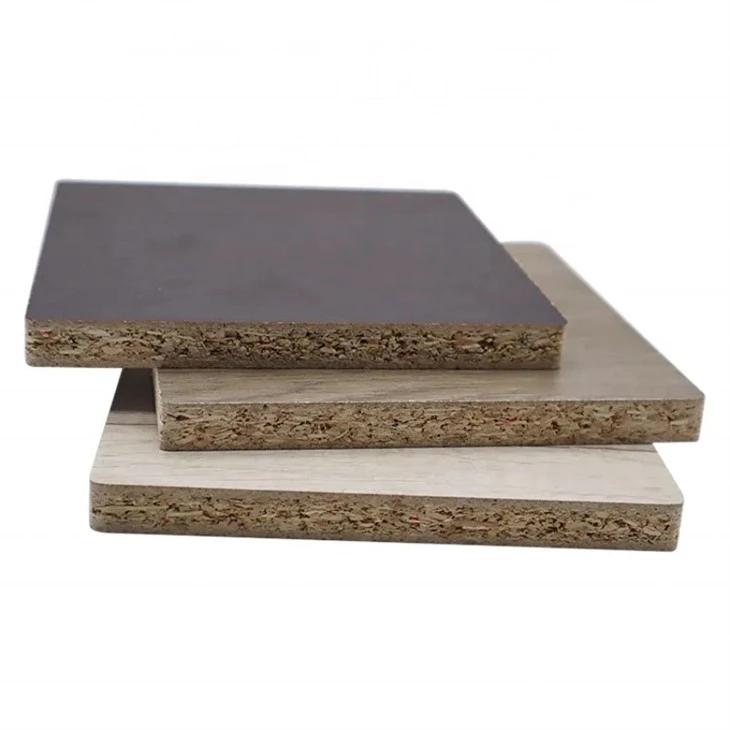
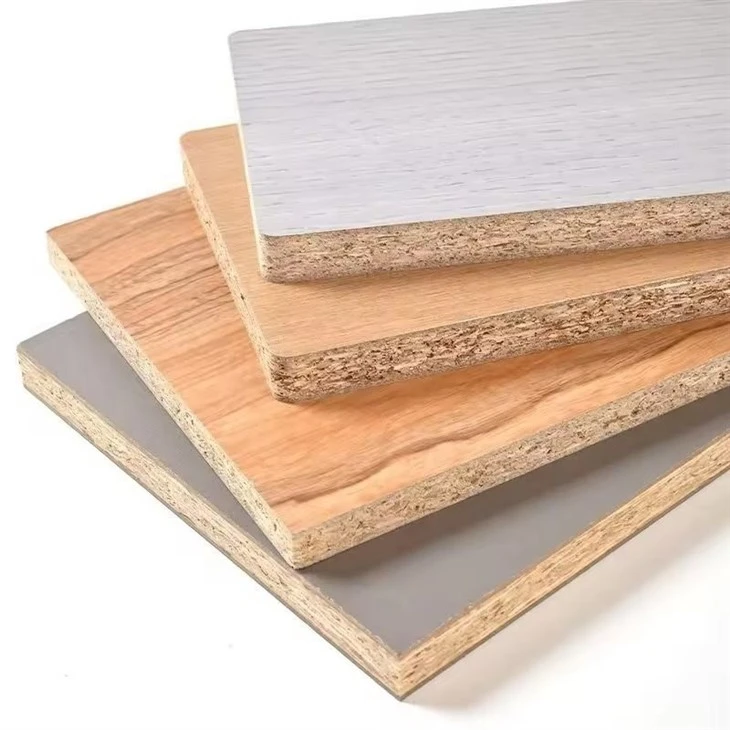

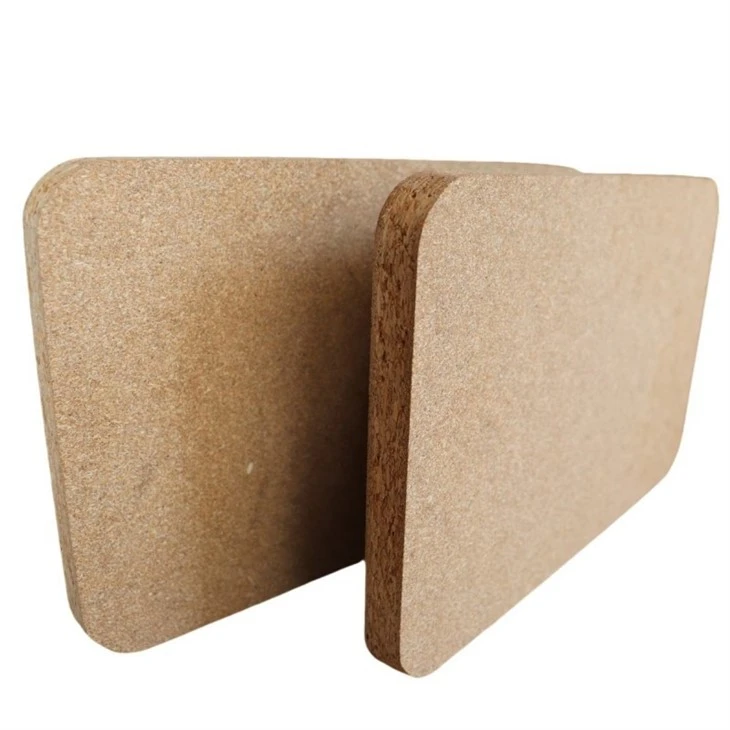
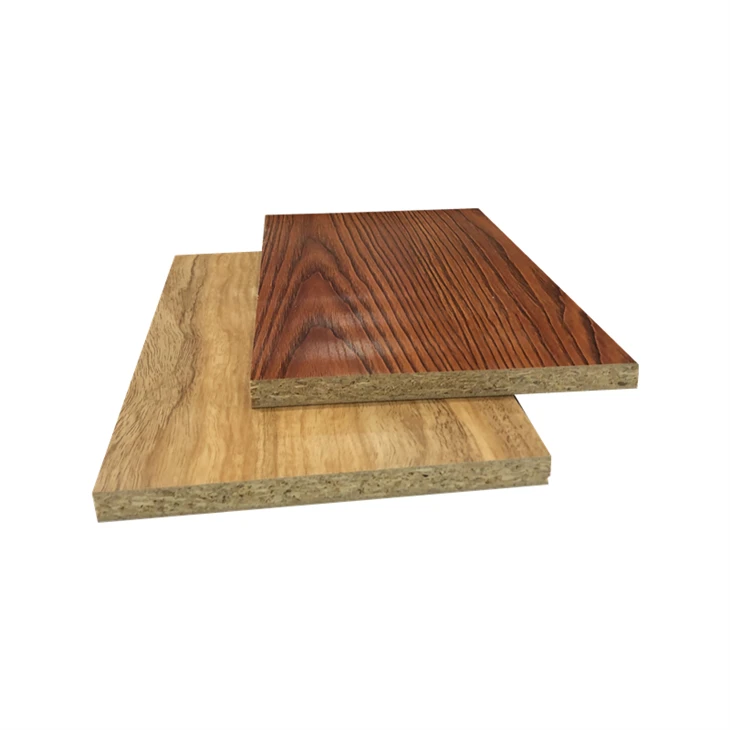

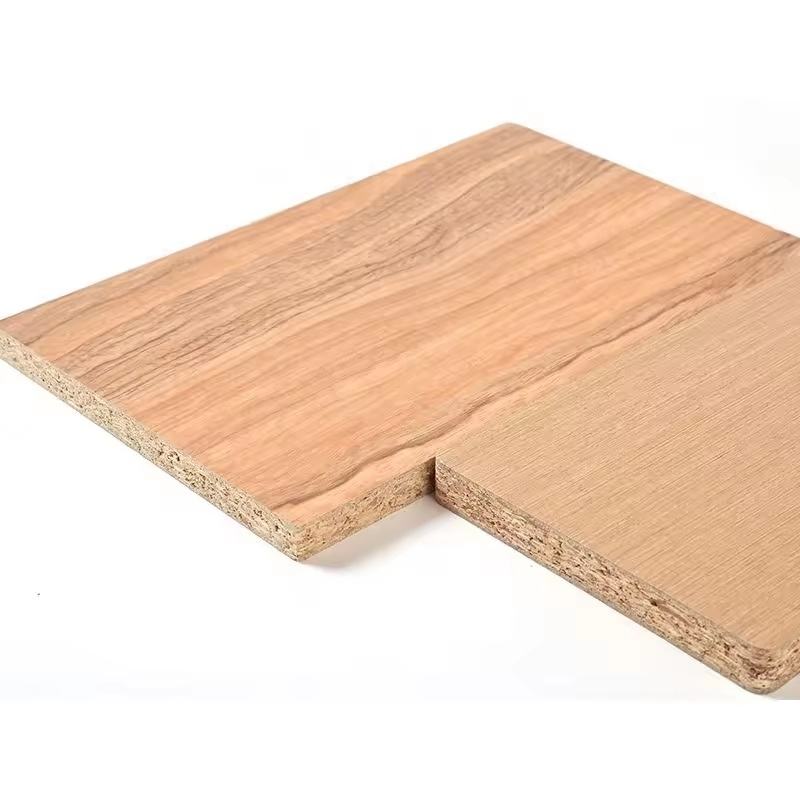
Melamine-faced chipboard (MFC) is one of the fastest interior materials to work with, but it demands specific techniques to achieve professional results. Unlike solid wood, MFC has a thin melamine surface layer that can chip if handled incorrectly. However, with the right tools and methods, fabricators can produce clean cuts, seamless edge bands, and durable moisture seals that outperform many other sheet materials.
This guide covers professional best practices for cutting, edge banding, fixing, and installing chipboard laminate panels - from the workshop to the job site.
Our address
Room A1110, Zhongyang Shidai Plaza, Nanfag District, Linyi, Shandong, China
Phone Number
+8615165515059
hfplywood@163.com
product key technologies

As Wall Paneling:
Check wall substrate is flat, dry, and clean.
Install timber furring strips or metal framing at 400–600mm centres.
Fix panels through the facing into framing using appropriate fasteners (pre-drill through melamine surface).
Leave 2–3mm gap between panels to accommodate movement; fill with colour-matched filler if a seamless appearance is desired.
As Furniture Assembly:
Use cam and dowel joinery for all structural connections.
Assemble on a flat, level surface.
Tighten cams in sequence rather than fully tightening one before engaging the next.
Acclimatisation & Environmental Conditions
Before cutting, edge banding, or installing:
Store panels for 48 hours in the same temperature and humidity conditions as the installation environment.
Ideal workshop/installation conditions: approximately 20°C (68°F) and 50–70% relative humidity.
Allow panels to reach ambient conditions before machining - cold panels are more brittle and prone to chipping.

| Problem | Likely Cause | Solution |
|---|---|---|
| Chipped cut edges | Dull blade or no scoring pass | Replace blade; always score melamine first |
| Loose edge banding | Insufficient heat/pressure | Re-heat with iron and use J-roller |
| Screw blowout | No pilot hole or over-tightening | Always pre-drill; stop at first resistance |
| Edge swelling | Water ingress into core | Re-edge all exposed cuts; replace damaged panel |
| Cam won't tighten | Hole misalignment | Redrill dowel hole with greater precision |
| Parameter | Standard Range | Custom Options |
|---|---|---|
| Length | 2440mm, 2800mm | Up to 3660mm |
| Width | 1220mm, 2070mm | Up to 2100mm |
| Thickness | 8mm, 9mm, 11mm, 12mm, 15mm, 16mm, 18mm, 25mm | 2.5mm – 30mm |
| Sanding | Double-sanded | Unsanded on request |


Applications for Sustainable Chipboard Laminates
Children's Furniture & Toys – E0/CARB-certified panels are the safest choice for nurseries, schools, and play areas, where indoor air quality and low emissions are paramount.
Healthcare Interiors – Hospitals and clinics specify low-emission panels to protect patients, staff, and visitors - especially relevant in respiratory and paediatric units.
Green Office Fit-Outs – Achieve sustainability targets for corporate interiors without compromising on design or durability. LEED and BREEAM points are within reach.
Residential Cabinetry & Joinery – Homeowners increasingly ask for low-VOC, sustainable materials. Our E0-grade panels provide peace of mind behind every cabinet door.
Commercial Kitchens & Food Environments – Panels meeting food-contact surface standards combine hygiene with environmental responsibility.

Need On-Site Training or Bulk Fabrication Support?
Our technical team offers guidance for production facilities and on-site installation teams. For large-scale projects, we provide panels pre-cut, pre-edged, and ready for final assembly - eliminating waste and reducing on-site labour time.
production equipment
floor area
eannual output
returning customer
Hot Tags: chipboard laminate installation guide cutting edging fabrication tips, China chipboard laminate installation guide cutting edging fabrication tips manufacturers, suppliers, factory, osb price per sheet, osb board wall, blue edge osb, osb board ceiling, chipboard, thinnest osb


