Hey there! I'm a blockboard supplier, and I've been getting a lot of questions lately about using blockboard in marine applications. Blockboard is a great material for many projects, but it needs some modifications to hold up in the harsh marine environment. In this blog post, I'll share what you need to know to make blockboard work for your marine projects.
Understanding the Challenges of Marine Environments
Before we dive into the modifications, let's talk about why blockboard needs some help in marine settings. The marine environment is tough on materials. It's full of saltwater, which is highly corrosive. Saltwater can cause wood to rot, warp, and lose its strength over time. Humidity is another big issue. High humidity levels can lead to mold and mildew growth, which not only looks bad but can also weaken the blockboard.
UV rays from the sun are also a problem. They can break down the wood fibers, causing the blockboard to become brittle and crack. And let's not forget about the constant movement and vibration on boats and other marine structures. This can put stress on the blockboard, leading to joints coming loose and the board splitting.
Modifications for Blockboard in Marine Applications
1. Selecting the Right Wood Species
The first step in making blockboard suitable for marine use is choosing the right wood species. Some woods are naturally more resistant to rot and decay than others. For example, teak is a popular choice for marine applications because it contains natural oils that make it resistant to water, rot, and insects. Cedar is another good option. It has a natural resistance to decay and is relatively lightweight.
When I'm supplying blockboard for marine projects, I often recommend using a core made from a durable wood species and then veneering it with a more decorative wood if needed. This way, you get the strength and durability of the core wood while still having the option to customize the look of the blockboard.
2. Treating the Wood
Once you've selected the right wood species, the next step is to treat the blockboard to make it more resistant to the marine environment. One common treatment is pressure-treating. This involves placing the blockboard in a chamber and forcing a preservative into the wood under high pressure. The preservative helps to protect the wood from rot, decay, and insects.
Another treatment option is to use a water-repellent finish. There are many different types of water-repellent finishes available, including oil-based, water-based, and polyurethane finishes. These finishes create a barrier on the surface of the blockboard, preventing water from penetrating the wood.
I also recommend using a UV-resistant finish to protect the blockboard from the sun's harmful rays. This can help to prevent the wood from becoming brittle and cracking over time.
3. Sealing the Edges
The edges of the blockboard are particularly vulnerable to water penetration. To prevent this, it's important to seal the edges with a waterproof sealant. There are many different types of sealants available, including silicone, polyurethane, and epoxy sealants.
When sealing the edges, make sure to apply the sealant evenly and thoroughly. You may need to apply multiple coats to ensure a good seal. It's also a good idea to sand the edges of the blockboard before applying the sealant to help it adhere better.
4. Reinforcing the Joints
As I mentioned earlier, the constant movement and vibration on boats and other marine structures can put stress on the blockboard joints. To prevent the joints from coming loose, it's important to reinforce them. One way to do this is to use mechanical fasteners, such as screws or nails, in addition to glue.
Another option is to use a reinforcing strip or plate at the joints. This can help to distribute the stress more evenly and prevent the joints from splitting. When I'm supplying blockboard for marine projects, I often recommend using a high-quality wood glue and following the manufacturer's instructions for proper application.
5. Using a Protective Coating
In addition to treating the wood and sealing the edges, it's a good idea to apply a protective coating to the surface of the blockboard. This can help to further protect the wood from water, UV rays, and other environmental factors.
There are many different types of protective coatings available, including paint, varnish, and epoxy coatings. When choosing a protective coating, make sure to select one that is specifically designed for marine use. These coatings are typically more durable and resistant to the harsh marine environment.
Benefits of Using Modified Blockboard in Marine Applications
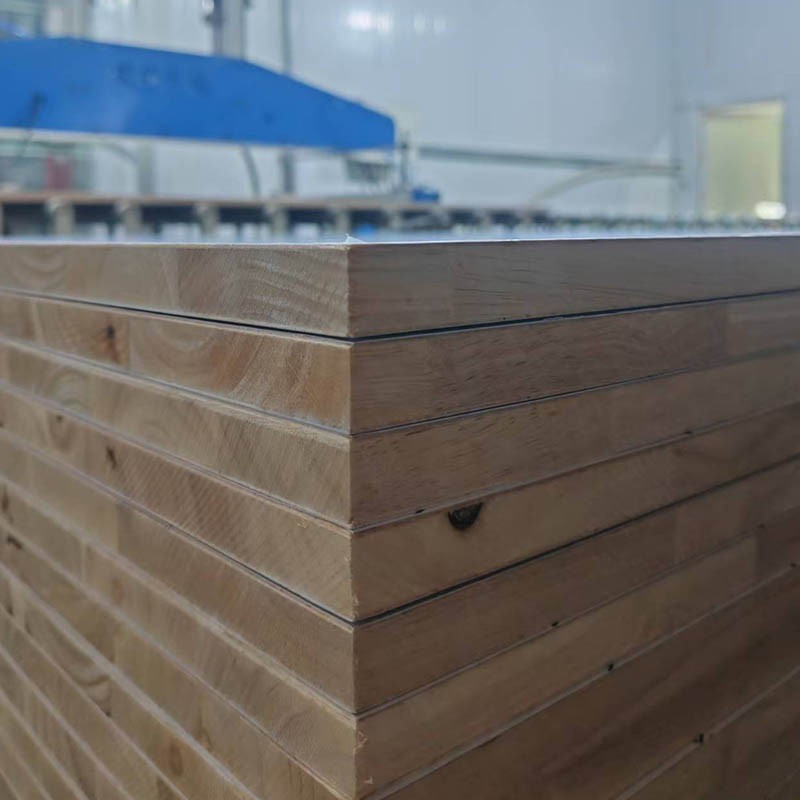
Now that we've talked about the modifications needed for blockboard in marine applications, let's take a look at some of the benefits of using this material.

1. Cost-Effective
Compared to some other materials used in marine applications, such as solid wood or fiberglass, blockboard is relatively cost-effective. This makes it a great option for boat builders and other marine contractors who are looking to save money without sacrificing quality.
2. Versatile
Blockboard is a very versatile material. It can be easily cut, shaped, and joined to create a variety of different structures and components. This makes it a popular choice for everything from boat interiors to exterior trim.
3. Customizable
Another benefit of using blockboard is that it can be easily customized. You can choose from a variety of different wood species, veneers, and finishes to create a look that is unique to your project. For example, you can use Melamine Blockboard for a modern, sleek look or Decorative 18mm Thick Blockboard And Melamine Blockboard for a more traditional look.
4. Environmentally Friendly
Blockboard is made from renewable resources, which makes it a more environmentally friendly option compared to some other materials used in marine applications. Additionally, many blockboard manufacturers use sustainable forestry practices to ensure that the wood is harvested in a responsible manner.
Contact Us for Your Marine Blockboard Needs
If you're interested in using blockboard for your marine project, I'd love to hear from you. As a blockboard supplier, I have the expertise and experience to help you choose the right blockboard and make the necessary modifications to ensure that it performs well in the marine environment.
We offer a wide range of blockboard products, including Customizable Thickness Birch E1/E0 Grade Blockboard For Modern Hotel And Home Decoration. Our blockboard is made from high-quality wood species and is treated to provide maximum durability and resistance to the marine environment.
Whether you're building a boat, a dock, or any other marine structure, we can help you find the right blockboard solution for your needs. Contact us today to discuss your project and get a quote.
References
- Smith, J. (2020). Wood Selection for Marine Applications. Marine Woodworking Magazine.
- Johnson, A. (2019). Treating Wood for Marine Use. Journal of Marine Materials and Corrosion.
- Brown, C. (2018). Reinforcing Wood Joints in Marine Structures. Boat Building Today.